Ceramic vs Carbon Window Tint: Which One Should You Put on Your Car?
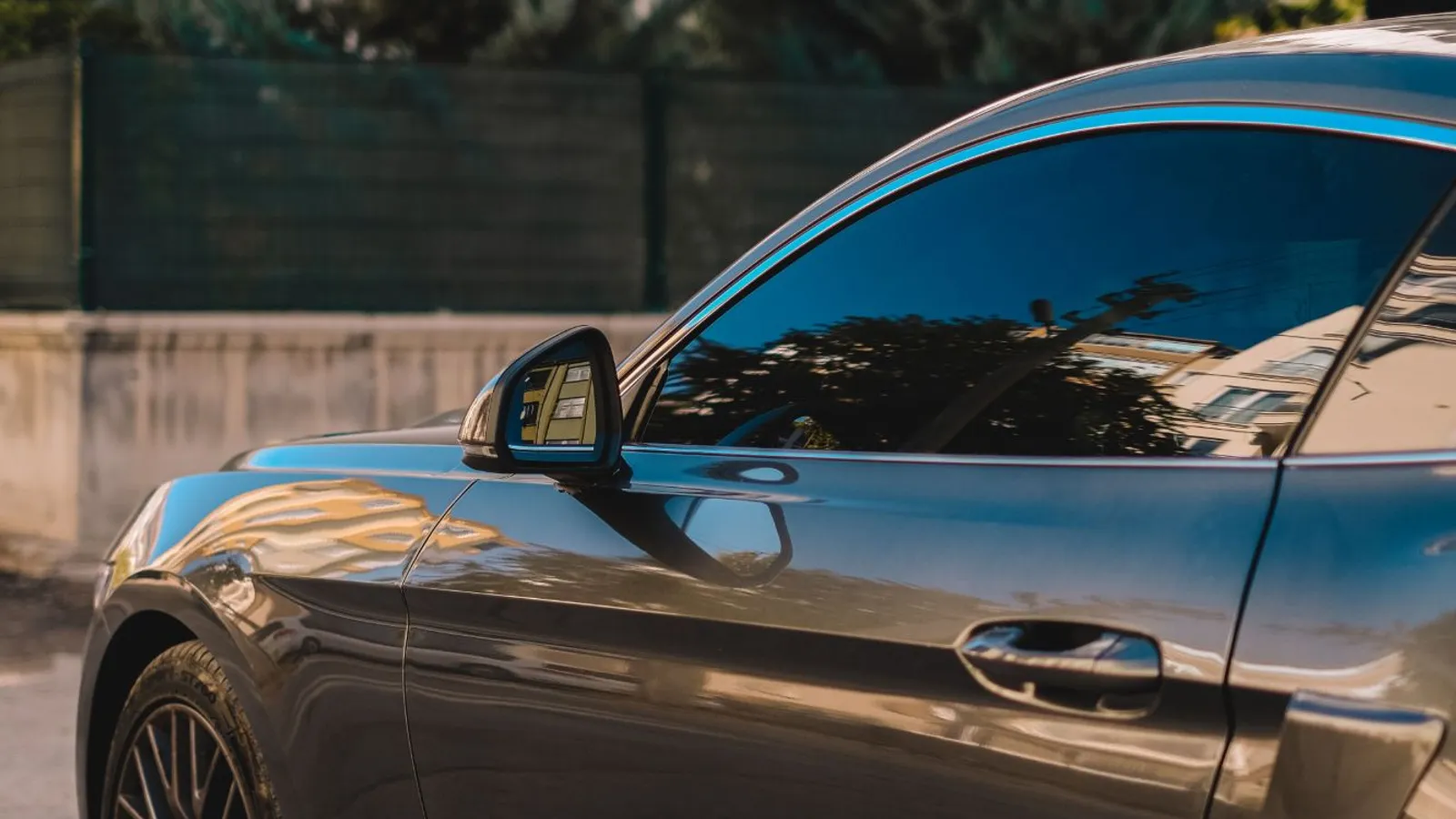
Every week somebody asks us the same question after they get a quote: ceramic vs carbon window tint — is ceramic really worth the extra money? Fair question. Both are good films. Both look great on a truck in a West Plains parking lot. But they're built differently, they behave differently in Ozarks heat, and which one you want depends on what's bugging you about your car right now. Here's how we explain it to customers in the driveway.
The Short Version
If you mostly want privacy and a cleaner look, and you're watching the budget, carbon is a solid pick that won't let you down. If the thing you actually hate is climbing into a 140-degree cabin in August, or squinting into the low sun on Highway 63 in October, ceramic is the film that fixes that. Ceramic costs more up front. It also does more. That's the whole trade-off.
Ceramic vs Carbon Window Tint: What's Actually in the Film
All automotive tint starts as a thin sheet of polyester. What the manufacturer mixes into that sheet is what separates a $40 roll from the stuff we install.
Dyed film (the cheap stuff)
Worth mentioning because it's what most people have seen go bad. Dyed film is just colored plastic. It darkens the glass but does very little for heat, and after a couple of summers it turns purple and starts bubbling. We don't install it. If you've got purple windows now, this is why.
Carbon film
Carbon tint has actual carbon particles mixed into the film. Those particles absorb a real share of the infrared heat coming through the glass, so the cabin runs noticeably cooler than with dyed film. Carbon also has a slightly matte, true-black look that a lot of folks prefer on a dark truck. There's no metal in it, so it doesn't mess with your phone, GPS, or radio, and it won't fade or turn purple the way dyed film does. For the money, it's the best value film on the market.
Ceramic film
Ceramic tint uses microscopic ceramic particles instead of carbon. Ceramic is very good at one specific thing: blocking infrared, which is the part of sunlight you feel as heat on your arm. So a ceramic-tinted car rejects more heat than carbon at the same darkness, and that's the key part — you don't need to go darker to get a cooler car. Ceramic is also the clearest film, so night visibility out the back stays sharp, and like carbon it has zero signal interference. It's the film we recommend most, and it's what we'd put on our own vehicles.
Where You Actually Feel the Difference
Heat. This is the big one. Park a carbon-tinted SUV and a ceramic-tinted SUV side by side at Walmart on a July afternoon and get in both. The ceramic one is the one you don't wince in. Steering wheel, seatbelt buckle, black leather — all cooler. If your AC struggles on the drive home from Mountain View, ceramic pays for itself in comfort.
Glare. Both films cut glare. Ceramic does it without you needing a darker shade, which matters if you want to keep the front windows light and legal but still lose the squint on morning drives.
UV. Here they tie. Quality carbon and ceramic film both block essentially all the UV that fades your dash, cracks the plastics, and dries out leather. Either one will stop your interior from aging in the sun. We wrote a whole post on why dashboards fade and crack if you want the long version.
Look. Honestly, from ten feet away, nobody can tell. Both come in any darkness you want, and we can match either one to factory tint on the rear glass so the whole car reads as one piece.
Lifespan. Both are lifetime films when installed right. Neither will purple, peel, or bubble. The failures we get called out to fix are almost always cheap dyed film or a bad install, not the film type.
So Which One Should You Get?
Here's the rule of thumb we use when a customer is on the fence:
- Go carbon if privacy and looks are the goal, the car mostly lives in a garage or under a carport, or you just want a good film without spending top dollar.
- Go ceramic if the car sits outside all day at work, you've got a black interior, you're tinting for heat more than looks, or you've got kids in the back seat cooking in the sun.
- Ceramic up front, either in back is a smart split. Front windows have to stay lighter to be legal in Missouri, so ceramic there gives you heat rejection without darkness. Rear windows can go darker anyway, so carbon back there still performs well.
Our window tinting pricing gives you the starting points: 2 front windows $120, full car (sides + rear) $300, full car + windshield strip $350, plus a clear heat-rejection windshield film at $200 that adds no darkness at all. Which film you pick can move the number a little, and we'll tell you the exact price before we start — no surprises when we're done.
It's Almost October. Why Are We Talking About Tint?
Because tint isn't a summer product. The sun sits lower in the sky from now through March, which means it comes straight through the side windows and the windshield instead of the roof. Fall and winter glare on a wet road is worse than summer glare. UV doesn't take the winter off either — your dash is still fading in January, just slower. And the best part of tinting in the cooler months: the film cures in a few days, you're not sweating through it, and you're ready when the heat comes back in May instead of calling us in the middle of the July rush.
Pair it with a full detail or a fresh interior detail and the car feels new from the driver's seat. If you want the summer-heat angle, our earlier post on window tinting in West Plains covers that side of it.
We Come to You
We're mobile, based right here in West Plains, and we tint in your driveway or at your job across Willow Springs, Mountain View, Thayer, and the rural Ozarks in between. Both films, any shade, matched to your factory glass, hand-installed and bubble-free. Call (417) 252-9744 or request a free quote and tell us what's bugging you about your car — heat, glare, or privacy — and we'll tell you which film fixes it.
Frequently asked questions
Is ceramic tint worth the extra cost over carbon?
Does ceramic or carbon tint interfere with my phone, GPS or radio?
Can I get the same darkness with ceramic and carbon?
How long before I can roll my windows down?
Do you tint in the fall and winter?
Want your car to look this good?
Mobile detailing across West Plains, Willow Springs, Mountain View & the surrounding Ozarks.